


Richard III
- Drama
- War
Having helped his brother King Edward IV take the throne of England, the jealous hunchback Richard, Duke of Gloucester, plots to seize power for himself. Masterfully deceiving and plotting against nearly everyone in the royal court, including his eventual wife, Lady Anne, and his brother George, Duke of Clarence, Richard orchestrates a bloody rise to power before finding all his gains jeopardized by those he betrayed.
Richard III is a 1995 drama film adaptation of Shakespeare's tragic play about the ruthless Duke of Gloucester's cunning ascent to the English throne. Directed by Richard Loncraine and starring Ian McKellen, the film transposes the classic tale into a stylized 1930s setting. The movie explores themes of ambition, betrayal, and the corrupting nature of power as Richard manipulates the royal court to seize the crown.
When does Richard III come out?
Where to watch
Streaming availability in United States
 United States




Availability varies by country. A VPN can let you watch content licensed in another region, though most streaming services prohibit it in their terms of service. Use at your own discretion. Contains affiliate links.


Rent or buy
Digital purchase & rental in United States

Where to watch Richard III by country
 United Kingdom
 Greece
 Germany
 France
 Spain
Spain Italy
Italy Canada
 Australia
 Brazil
Top cast
Follow an actor to track their next projects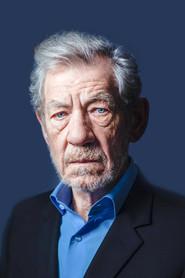 Ian McKellenRichard III
 Annette BeningQueen Elizabeth
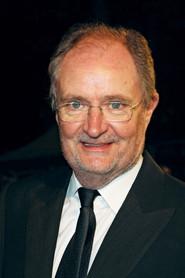 Jim BroadbentThe Duke of Buckingham
 Robert Downey Jr.Earl Rivers
 Kristin Scott ThomasLady Anne
 Adrian DunbarJames Tyrrell
 Maggie SmithDuchess of York
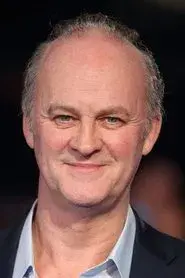 Tim McInnernyWilliam Catesby
 Edward HardwickeLord Stanley
 Nigel HawthorneThe Duke of Clarence
 Jim CarterLord Hastings
 Dominic WestThe Earl of Richmond
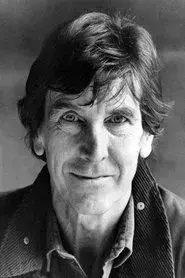 John WoodKing Edward IV
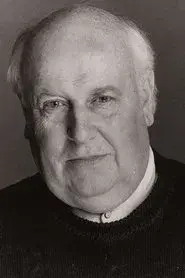 Roger HammondArchbishop Thomas
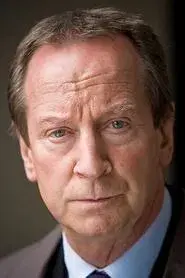 Bill PatersonSir Richard Ratcliffe

Trailer
Official Re-Release Trailer
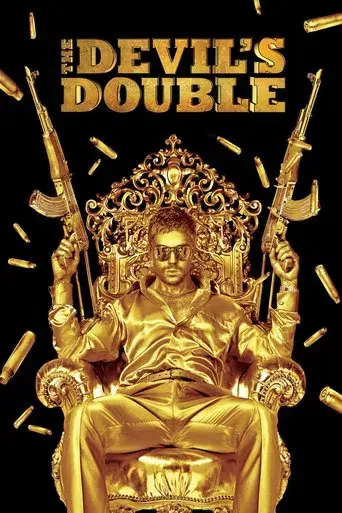
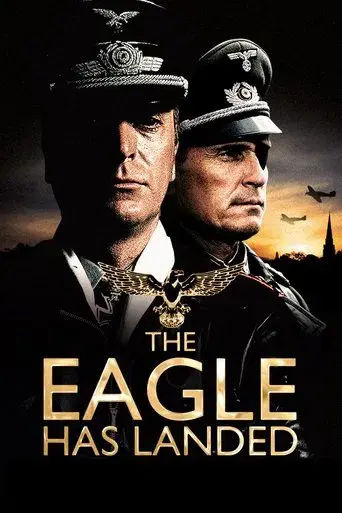
Related & spin-offs
Other titles fans of Richard III tend to follow.






Richard III — frequently asked
When was Richard III released?
Richard III was released on December 29, 1995.
Is Richard III based on a Shakespeare play?
Yes, the film is an adaptation of William Shakespeare's tragedy Richard III, one of his historical plays about the English royal succession.
Who stars in the 1995 Richard III film?
Ian McKellen plays the title role of Richard, Duke of Gloucester, delivering a acclaimed performance in this acclaimed film adaptation.
What makes this film adaptation unique?
Director Richard Loncraine reimagines Shakespeare's play in a 1930s fascist aesthetic rather than a traditional historical period, creating a distinctive visual and thematic interpretation.
Comments(0)
No comments yet. Be the first.