
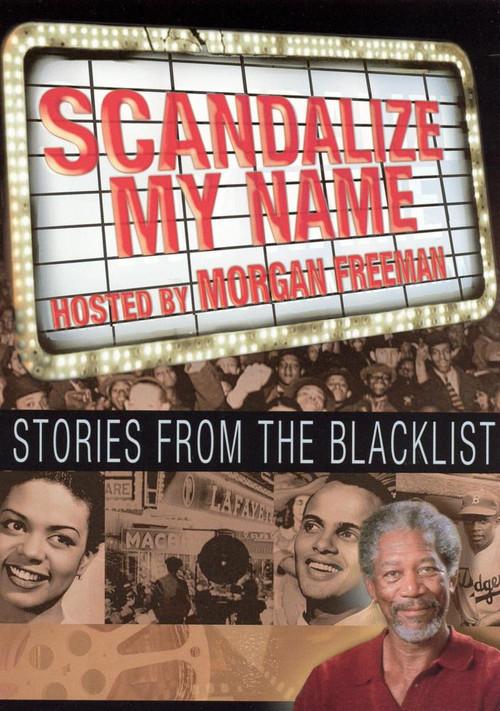
Scandalize My Name: Stories from the Blacklist
- Documentary
- History
A look at the confluence of the Red Scare, McCarthyism, and blacklists with the post-war activism by African Americans seeking more and better roles on radio, television, and stage. It begins in Harlem, measures the impact of Paul Robeson and the campaign to bring him down, looks at the role of HUAC, J. Edgar Hoover and of journalists such as Ed Sullivan, and ends with a tribute to Canada Lee. Throughout are interviews with men and women who were there, including Dick Campbell of the Rose McLendon Players and Fredrick O'Neal of the American Negro Theatre. In the 1940s and 1950s, anti-Communism was one more tool to maintain Jim Crow and to keep down African-Americans.
Scandalize My Name: Stories from the Blacklist is a 1998 documentary examining how McCarthyism and anti-Communist campaigns were weaponized against African American performers and activists during the 1940s and 1950s. Through interviews with survivors and archival evidence, the film traces the impact of the Red Scare on Black entertainment industry figures, particularly Paul Robeson, while exploring the roles of HUAC, J. Edgar Hoover, and media figures in enforcing racial and political repression.
When does Scandalize My Name: Stories from the Blacklist come out?
Where to watch
Streaming availability in United States
 United States
Availability varies by country. A VPN can let you watch content licensed in another region, though most streaming services prohibit it in their terms of service. Use at your own discretion. Contains affiliate links.


Where to watch Scandalize My Name: Stories from the Blacklist by country
 United Kingdom
 Greece
 Germany
 France
 Spain
Spain Italy
Italy Canada
 Australia
 Brazil
Top cast
Follow an actor to track their next projects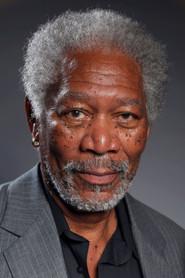 Morgan FreemanSelf
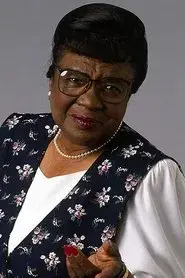 Rosetta LeNoireSelf
- Dick CampbellSelf
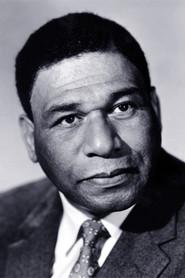 Frederick O'NealSelf
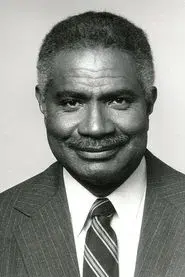 Ossie DavisSelf
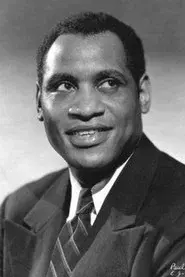 Paul RobesonSelf (archive footage)
- Joseph WershbaSelf
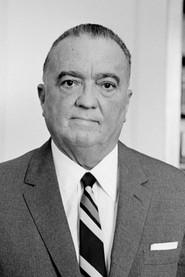 J. Edgar HooverSelf (archive footage)
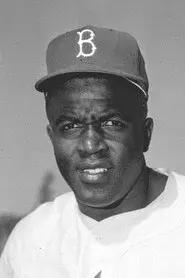 Jackie RobinsonSelf (archive footage)
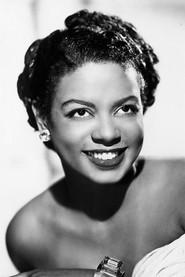 Hazel ScottSelf (archive footage)
- Adam Clayton Powell IIISelf - son of Hazel Scott
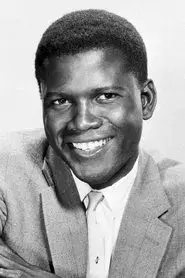 Sidney PoitierReverend Msimangu (archive footage)
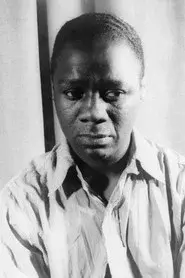 Canada LeeStephen Kumalo (archive footage)
 Gertrude JeannetteSelf
- Erik BarnouwSelf - broadcast historian
Trailer
Paul Robeson Scandalize My Name.wmv
Related & spin-offs
Other titles fans of Scandalize My Name: Stories from the Blacklist tend to follow.



Scandalize My Name: Stories from the Blacklist — frequently asked
When was Scandalize My Name released?
The documentary was released on January 1, 1998.
Who are the main subjects featured in the film?
The film focuses on Paul Robeson as a central figure and includes interviews with participants like Dick Campbell of the Rose McLendon Players and Fredrick O'Neal of the American Negro Theatre, concluding with a tribute to Canada Lee.
What is the main theme of the documentary?
The film explores how anti-Communism and McCarthyism were used as tools to maintain racial segregation and suppress African American activism and opportunity in entertainment during the post-war era.
What institutions and figures are examined in the film?
The documentary investigates the House Un-American Activities Committee (HUAC), J. Edgar Hoover's FBI, and prominent journalists like Ed Sullivan in their roles in enforcing blacklists against Black performers.
Comments(0)
No comments yet. Be the first.